Your Cart is Empty


Nonstick PTFE Rolls
$ 25.00
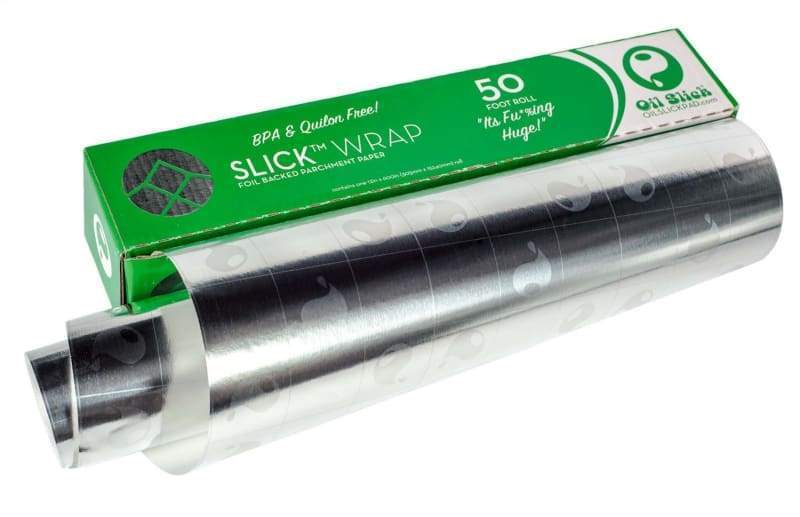
The Oil Slick Nonstick PTFE Rolls are lab-grade fluoropolymer film for extractors, rosin heads, and makers who are done wrestling with sticky cleanup. Built for BHO collection, rosin handling, solventless staging, and even kitchen or craft projects, these rolls give you a true nonstick surface you can cut to size. With heat resistance rated up to 500°F (260°C) and full resistance to non‑polar solvents, they’re made for real production environments, not just the hobby drawer.
What You Get Out of It
- Fewer lost grams to paper — Ultra-slick PTFE surface lets sticky oils and rosins release cleanly instead of soaking into fibers like regular parchment.
- Dial in your exact setup — Comes in multiple roll lengths and widths so you can line trays, collection pans, or work tables to your own specs.
- Built for hot, messy work — Rated to 500°F (260°C), so it stands up to typical press-side and post-processing environments without warping or melting.
- Solvent resistant by design — Fully resistant to non‑polar solvents, so you can stage, drip, and handle BHO and other extracts without your liner breaking down.
- Serious durability — Thicker than throwaway sheets (0.07–0.1mm), so it handles folding, cutting, and reuse way better than basic liners.
- Cross-over friendly — Works just as well for kitchen projects and crafts that need a clean release as it does on the lab table.
Best For
These Nonstick PTFE Rolls are made for processors and home extractors who actually run weight and need consistent, non-reactive surfaces for handling finished product. If you’re already using rosin extraction gear or BHO equipment and want something tougher and slicker than standard parchment, this is the upgrade tier. They also make sense for small brands dialing in packaging workflows and anyone who wants a reusable, cut-to-fit liner in the kitchen or workshop.
How to Use It
Think of this as your customizable nonstick barrier. Unroll the PTFE, measure out what you need, and cut it to size for trays, collection dishes, funnel catch areas, or staging surfaces. Because it’s a true film, not paper, it lays flat, doesn’t shed fibers, and keeps your product separated from metal or plastic surfaces during handling and transfer.
In a dab-focused space, many people park these rolls right next to their rig and cut smaller squares to use as personal nonstick landing pads for tools and jars, or to line a dab mat when things are getting especially messy. When you’re done, let everything cool, peel your material away, and either wipe the PTFE down or retire that piece if it’s done its job in a heavy run.
Because the film is flexible, you can also fold or form it into temporary liners for containers or trays when you want easy product recovery without scraping walls. Just avoid sharp creases that might weaken the film over a long time and trim clean edges so you’re not dealing with curled corners during a busy day.
The Basics
This is pure PTFE (polytetrafluoroethylene) film — the same class of material trusted in lab and industrial settings — adapted for cannabis processing, rosin work, and serious craft use. Unlike parchment papers or coated liners, PTFE itself is the nonstick surface; it doesn’t rely on a sprayed-on layer that can wear off. That means consistent performance from one cut section to the next.
For extractors, this pairs well with heavy-bottom concentrate jars and collection hardware because it adds a neutral, non-reactive layer wherever your product lands. For kitchen or craft projects, it behaves like a tough, reusable release film that can stand up to high heat, sticky mixtures, and repetitive use.
Specifications
| Specification | Details |
|---|---|
| Material | PTFE (Polytetrafluoroethylene) |
| Roll Sizes | Various roll formats, including 16"x48", 50 ft, and 300 ft (4.88 m, 15.24 m, and 91.44 m) |
| Thickness Range | Approx. 0.07 mm to 0.10 mm |
| Heat Resistance | Up to 500°F (260°C) |
| Price Range | $145.00 – $650.00 (varies by size and length) |
Fit & Workflow Notes
Because it’s sold in long rolls, you’re not locked into someone else’s idea of a “standard sheet.” You can cut short strips for small benchtop jobs or run long sections to cover an entire table for big production days. If your lab already stocks glass packaging or glass jars & extract packaging, these rolls slot in as the reusable, nonstick interface that keeps product moving cleanly from surface to surface.
It’s also solid for non-cannabis uses: lining heat platens during craft projects, protecting workbenches during glue work, or as a generic release film anywhere you don’t want adhesives or resins bonding to your gear. Just be sure to keep “lab” and “kitchen” use separate if you’re working in regulated or food-safe environments.
Care & Reuse
Let the PTFE cool fully before handling, then peel away your material. If there’s light residue, wipe it down with a soft cloth; for heavier buildup, you can give it a quick soak in isopropyl alcohol, rinse with clean water, and let it dry before putting it back to work. Treat it like any other precision tool in your accessory lineup: don’t gouge it with sharp scrapers, and retire sections once they’re too worn or creased for clean contact.
FAQ
- How is this different from parchment paper?
Parchment is a paper substrate with a coating, so it can absorb oil and break down over time. These Nonstick PTFE Rolls are pure PTFE film — nothing to soak into, nothing to delaminate — which means better release, better solvent resistance, and far longer service life.
- Can I cut it to fit my press plates or collection pans?
Yes. The roll format is meant to be cut down however you like. Use clean scissors or a sharp blade to size pieces for plates, trays, or staging areas, similar to how you’d prep other non-stick PTFE liners.
- Is it safe around solvents and BHO?
PTFE is fully resistant to non‑polar solvents, which is why it’s so popular in extraction labs. It’s designed to hold up in environments where BHO and similar materials are present, but always follow your local safety rules and work with proper ventilation and PPE.
- Can I reuse the same piece multiple times?
In many workflows, yes. As long as the film isn’t torn, deeply creased, or contaminated with something you don’t want near your product, you can wipe it down and run it again. Once it starts looking tired or won’t lay flat, cut a fresh section from the roll.
- Is this meant only for cannabis extraction?
No. While it’s optimized for extractors, rosin work, and similar tasks, it also works great for high-heat crafts, resin projects, and certain kitchen applications. Just keep any food-related use separate from lab or production use, and store rolls appropriately with your other storage & packaging supplies.
- Will it change the flavor or smell of my concentrates?
PTFE is non-reactive and widely used in lab and food-contact environments because it doesn’t shed fibers or add flavors. It’s there to give you a clean release and a barrier between your product and metal, plastic, or paper surfaces.
- What thickness should I choose?
All listed options fall within the 0.07–0.10 mm range. Thinner film is more flexible and great for folding into liners, while the thicker side of the range feels a bit more robust for flat table coverage or repeated handling. Pick based on how rough your workflow is and how often you expect to reuse each cut piece.