Your Cart is Empty


Oil Slick® Clear FEP Sheets
$ 115.00 $ 230.00 You Save 50% ($ 115.00)
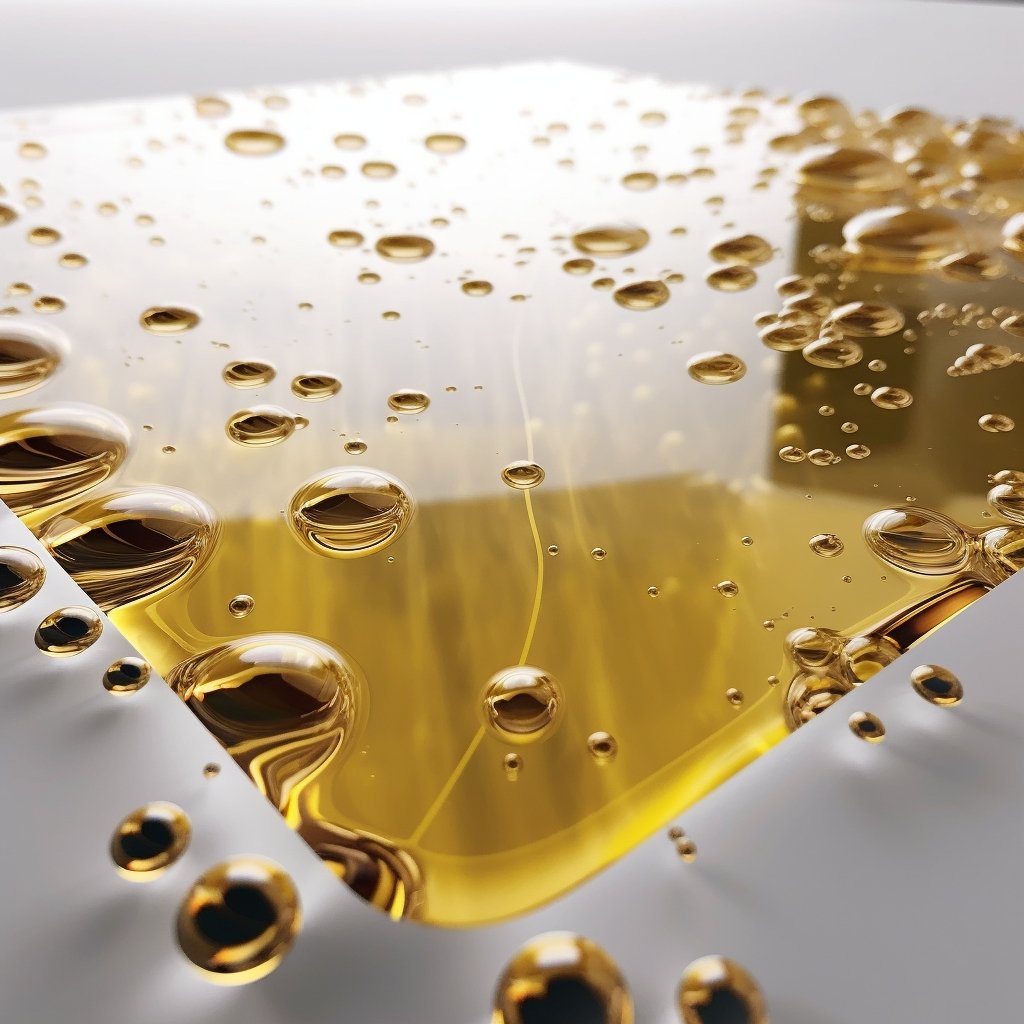
The Oil Slick® Clear FEP Sheets are ultra-slick, transparent FEP squares built for extractors and production crews who need truly nonstick handling, packaging, and storage for concentrates. At 4 in × 4 in (10.2 cm × 10.2 cm) and just 0.05 mm (0.002 in) thick, they fold cleanly, hold their shape, and show off color and clarity without clouding your product. If you’re tired of terps eating cheaper plastics or losing yield to sticky surfaces, these are the lab-ready sheets you graduate to.
What You Get
- Save every last bit of concentrate — FEP gives you a true nonstick surface, so sticky oils, sauces, and blends release cleanly instead of smearing and clinging.
- Keep terp-heavy products from eating your packaging — these sheets shrug off aggressive terpenes that can haze, warp, or melt standard plastics over time.
- Showcase your work clearly — crystal-clear film lets you inspect color, texture, and inclusions without unwrapping or fighting glare and distortion.
- Fold, stage, and stack without cracking — at 0.05 mm (0.002 in) they crisp-fold like paper but don’t crease, shatter, or permanently kink like harder plastics.
- Consistent behavior across batches — whether it’s R&D scale or full production, the film performs the same sheet after sheet, so your SOPs stay locked in.
- Bulk-friendly pricing — 500, 1,000, or 5,000-sheet packs let you stock the lab, keep the line moving, and stop babysitting your packaging inventory.
Best for
These Clear FEP Sheets are made for extraction labs, processors, and serious home makers who handle sticky, terp-rich concentrates and need a surface that won’t steal product or fall apart. If you’re already running dedicated rosin extraction or hydrocarbon systems and want a neutral, reliable contact material between your work and the outside world, this is the tier you want.
How to use it
Think of these as precision, single-cut nonstick tiles for everything between “fresh off the collection tool” and “ready to package.” Lay a sheet on a clean bench, scale pan, or tray, then stage or portion your concentrate directly onto the FEP. From there you can fold, tent, or wrap as your workflow needs, knowing it will peel away without fighting you when it’s time to move product.
For short-term storage or staging, you can stack filled sheets in a tray or on a dab mat to keep things organized and off raw stainless. The thin profile means you can fold edges over gently without trapping a ton of air or creating sharp creases that damage the film.
Many labs also use them as liners inside other containers: drop a sheet into a jar, clamshell, or box, place your product on top, and let the FEP be the only thing that ever actually touches your concentrate. That way, if anything sticks, you’re peeling FEP away instead of scraping expensive packaging.
The basics: Why FEP?
FEP (fluorinated ethylene propylene) sits in the same fluoropolymer family as PTFE but brings its own advantages to the table. It offers a glass-like smoothness and excellent chemical resistance while staying flexible at thin gauges, which is exactly what you want when dealing with sticky oils and high-terpene formulations. In practice, that means fewer micro-tears, less clouding over time, and a more predictable, repeatable surface every time you grab a sheet.
Because these sheets are fully transparent, they’re especially handy when you need to visually QC consistency across a batch. You can check color gradients, crystallization, and particulate without rehandling the material, and you don’t have to keep opening and closing packaging to show off product to clients or QA.
Specifications
| Material | Clear FEP film |
|---|---|
| Sheet size | 4 in × 4 in (10.2 cm × 10.2 cm) |
| Thickness | 0.05 mm (0.002 in) |
| Pack sizes | 500 sheets / 1,000 sheets / 5,000 sheets |
| Price range | $115.00 – $1,150.00 (depending on quantity) |
Fit into your workflow
Because they’re precut at 4 in × 4 in (10.2 cm × 10.2 cm), these sheets drop straight into most small-format packaging flows without trimming. If you need different dimensions, they cut easily with scissors or a blade, so you can dial them in for custom branded boxes, display tins, or specific scale pans. For operations already shipping in glass, they pair well as inner liners for heavy-bottom glass jars & packaging when you want that extra layer between concentrate and lid.
In larger facilities, bulk packs of 1,000 or 5,000 sheets keep your operators from constantly cracking new rolls, and inventory is dead simple: a stack of squares instead of half-used rolls with torn edges. For smaller labs, 500 sheets are more than enough to run R&D, stability samples, and a steady flow of orders without worrying about running out mid-project.
Care & reuse
These sheets can be reused multiple times depending on how you handle them and what they’ve been in contact with. After use, let any hot surfaces or product cool, then gently remove residue. For deeper cleans, you can rinse with appropriate lab-safe solvents or isopropyl, then let them dry fully before putting them back into rotation.
For long-term storage, keep unused sheets flat in a clean drawer, folder, or box so they stay dust-free and don’t pick up creases from being bent. If you’re staging multiple strains or batches, it’s smart to label outer packaging or pair them with clearly marked storage & packaging so you always know what’s on each sheet.
FAQ
- Are these FEP sheets reusable or single-use?
They can absolutely be reused if kept clean and handled gently. Many labs will reuse a sheet several times for similar products, especially for in-house staging or R&D. For anything client-facing or highly regulated, follow your internal SOPs and inspect each sheet for scratches, contamination, or clouding before reusing. - Can I cut these to different sizes or shapes?
Yes. They cut easily with scissors, a paper cutter, or a sharp blade. That makes it easy to size them for specific jars, clamshells, or custom packaging. If you’re pairing them with branded mylar bags, trimming them slightly smaller than the inner dimensions usually works best. - What’s the difference between FEP sheets and PTFE liners?
Both are fluoropolymers with strong nonstick and chemical resistance, but FEP in this thin, clear format gives you flexibility and full transparency that’s hard to get from standard PTFE sheets. If you need to actually see your material through the film and prefer a softer, more foldable sheet, FEP is the better fit. If you’re lining trays or presses, thicker non-stick PTFE sheets might make more sense. - Will terpenes or solvents damage these over time?
FEP is highly resistant to most terpenes and common lab solvents, which is why it’s used in a lot of labware and tubing. Under normal handling and temperatures, you shouldn’t see melting, warping, or heavy hazing the way you might with cheap plastics. That said, always keep them away from open flames, extreme temperatures, or anything outside your standard lab safety envelope. - Are these sheets food-grade or certified for direct consumption contact?
FEP is widely used in laboratory and industrial settings, but these specific sheets are not being sold with a formal food-grade certification. If you’re in a market or facility that requires specific regulatory ratings for direct-contact materials, confirm with your compliance team and local regulations before using them in that way. - How should I store unused sheets so they stay clean?
Keep them flat and sealed away from dust and debris—many labs use document folders, clean drawers, or original bags inside a cabinet. Pairing them with labeled concentrate jars or other sealed containers can help keep your entire packaging station organized and ready to go. - Can I use these with other Oil Slick gear?
Definitely. They play nicely as liners or contact barriers alongside silicone rigs, glass jars, and other smoke shop products in the lineup. As long as you keep them away from direct flame and extreme heat, they’ll slide right into most concentrate workflows.
Customer Reviews
Based on 3 reviews Write a review